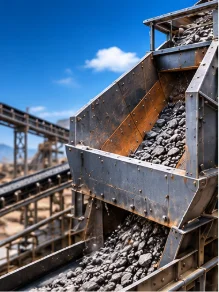
01Feed and discharge hoppers
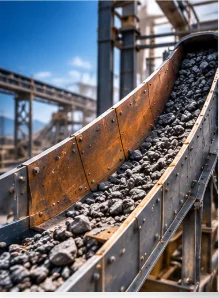
The wear: Continuous material flow wears walls, floors and discharge edges, especially where material drops or changes direction.
The choice: Choosing the hardness for the size, sharpness and speed of the material, and reinforcing the main contact zones, extends the intervals between replacements.
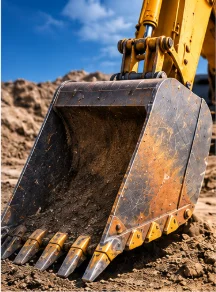
02Excavator and loader buckets
The wear: Lips, sides and floors suffer abrasion combined with impact as they dig into the material.
The choice: Balancing hardness and toughness prevents cracking and early wear; critical zones may need a different grade from the body.
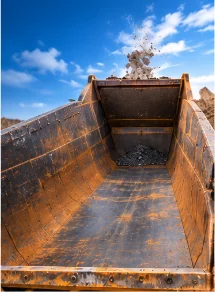
03Dump trucks and haulage equipment
The wear: Sliding loads and impact during loading wear the floor and walls of the body.
The choice: A wear plate can extend body life and, in some cases, allow a thinner plate and less dead weight.
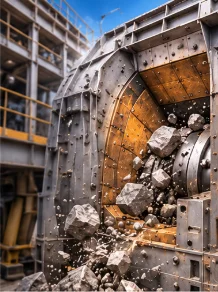
04Crushers and screening equipment
The wear: Feed zones take severe abrasion and high-energy impact from rock and aggregates.
The choice: The choice depends on particle size, the hardness of the processed material and the impact energy in each zone of the machine.
05Industrial wear liners
The wear: Localised wear in chutes, ducts and troughs is caused by abrasive material sliding at high speed.
The choice: Using wear plate in critical zones reduces downtime and maintenance costs and keeps the process running.
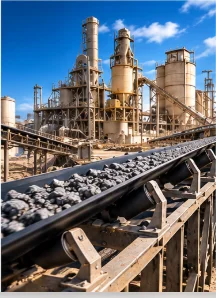
06Cement plants
The wear: Raw materials, clinker and abrasive dust act on conveyors, hoppers and ducts, causing constant abrasive wear.
The choice: Choosing the right material extends equipment life and reduces maintenance costs in a highly abrasive environment.
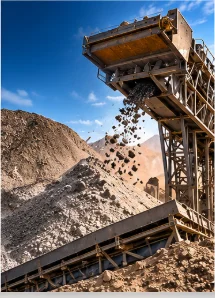
07Mining and quarry equipment
The wear: Hard rock and large moving volumes cause severe abrasion and impact in hoppers, chutes, feeders and conveyors.
The choice: Combining high hardness and toughness withstands extreme loading and extends equipment life, even in open-pit operations.
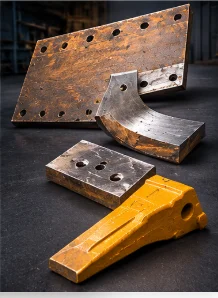
08Metalworking components exposed to abrasion
The wear: Parts, blades, plates, cutting elements and special components lose material through friction and constant contact with abrasive materials.
The choice: The choice of wear-resistant grade depends on the application, the intensity of abrasion and the impact resistance required.